Retro Street: The Bold Graffiti Font for Modern Creatives
Capturing the Spirit of Classic Street Art
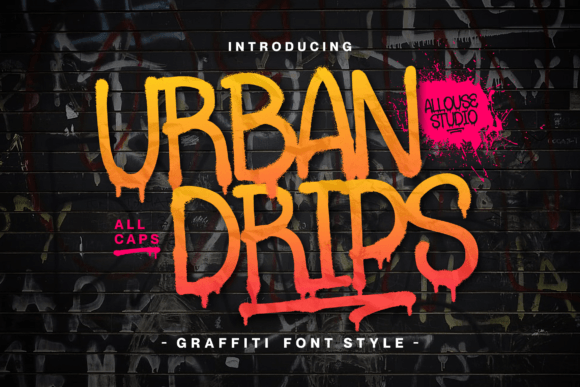
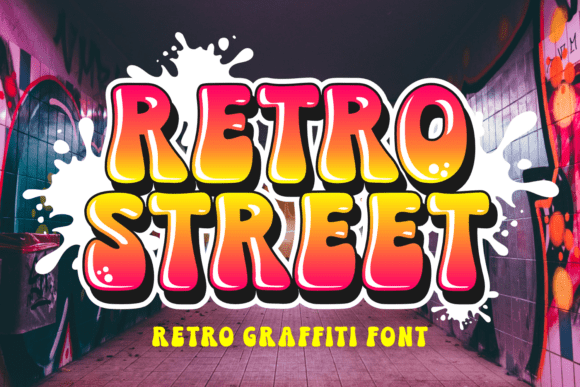
There's a certain raw energy that defined the graphic landscape of the late 20th century, particularly within street art and hip-hop culture. Retro Street is a premium font that taps directly into that powerful nostalgia. It’s not just a collection of letters; it’s a distinct typeface with a personality built on the visual language of classic graffiti. The font's most defining characteristic is its masterful interplay of thick and thin strokes, creating a dynamic rhythm that feels both hand-drawn and intentionally crafted. This isn't a simple, rounded script font or a predictable sans serif font. It has an authentic, edgy energy that immediately sets a specific tone, making it a standout creative font for projects that need to make a statement.
Where Retro Street Truly Shines: A Designer's Guide
For entrepreneurs and small business owners, this typeface can be the cornerstone of a powerful brand identity. Imagine a craft brewery, a record label, a vintage clothing store, or a local skate shop using Retro Street for their logo design. It instantly communicates a sense of authenticity, creativity, and a connection to a vibrant subculture. In packaging design, it can make a product leap off the shelf, suggesting something fun, rebellious, and undeniably cool.
In the digital realm, its uses are just as potent. Social media graphics need to stop the scroll, and the bold, stylized nature of Retro Street is built for that exact purpose. It’s perfect for event posters for dance parties, music festival promotions, or hip-hop showcases. Bloggers and content creators can use it to create compelling hero images or YouTube thumbnails that grab attention. Its application in web design should be strategic—think large, impactful headlines on a landing page, not the navigation menu. It brings a certain fluidity and authenticity that can elevate a digital presence from generic to memorable.
Practical Applications in Print and Beyond
- Event Marketing: Posters, flyers, and tickets for concerts, block parties, and art shows.
- Merchandise: T-shirts, hoodies, and stickers where the font itself becomes a central graphic element.
- Editorial Design: Magazine covers, feature article headlines, and chapter titles in books related to music, art, or urban culture.
- Personal Projects: Custom invitations, scrapbooking, and creating unique wall art for your home.
Making it Work: A Practical Approach to Using Retro Street
Effective font pairing is key. To let Retro Street's character shine, contrast it with a neutral serif font for a classic editorial feel, or a straightforward sans serif font for a modern, clean look. Avoid pairing it with other highly decorative or script fonts, as this will create visual chaos and dilute the message. The goal is balance.
Before committing, always test the font within the context of your project. Check the kerning (the space between letters) and ensure the specific words you need to use look balanced and legible. When you acquire a commercial font like Retro Street, review the licensing agreement carefully. Ensure it covers your intended use, whether for a single client project, unlimited commercial work, or digital products. A quality typeface is a professional investment, and understanding its terms is part of using it responsibly. By evaluating its fit, testing its pairings, and respecting its licensing, you can fully leverage this vibrant font to create designs that are not only stylish but also strategically effective.