Cute Bow: A Playful Font for Girly Branding & Crafts
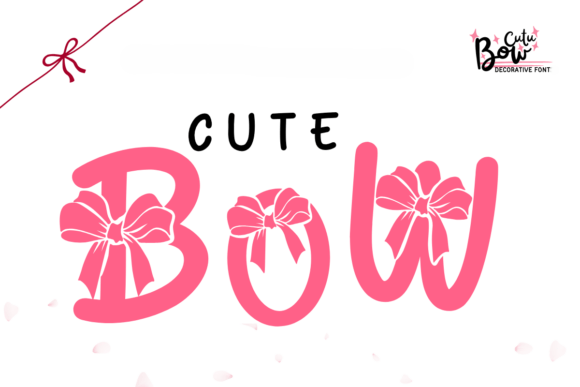
Finding the right typeface often feels like searching for a specific needle in a haystack. You need something that balances personality with clarity, especially when targeting a demographic that appreciates charm and whimsy. Enter Cute Bow, a premium font designed to inject a dose of sugar-coated fun into your creative projects. It isn't just another script; it is a visual statement. The typeface features bold, rounded letterforms where every capital letter and select lowercase characters are adorned with hand-drawn bow illustrations. This integration turns standard text into decorative art, making it a standout choice for designers looking to bypass custom illustration work while maintaining a bespoke look.
The Anatomy of Charm: Understanding the Visual Style
At its core, Cute Bow operates as a display font. This means it is engineered for impact rather than long-form reading. The defining characteristic is, obviously, the bow motif. However, what makes this typeface effective is the structure beneath the ornamentation. The letterforms are constructed with a uniform stroke width and generous counter-spacing, ensuring that even with the added decorative elements, the text remains legible at a glance.
The personality of the font is unapologetically feminine and youthful. It evokes feelings of celebration, sweetness, and playfulness. Unlike a traditional script font or handwritten font that relies on cursive connections to convey elegance, Cute Bow uses boldness. It stands upright and commands attention, making it robust enough for digital screens where thinner scripts might disappear. It bridges the gap between a childlike aesthetic and professional graphic design, offering a polished finish that feels intentional rather than chaotic.
Strategic Applications: Where to Use Cute Bow
Knowing when to use a creative font like this is just as important as liking how it looks. Because of its specific visual weight and decorative nature, Cute Bow shines in specific scenarios. It is an exceptional asset for packaging design, particularly in the beauty, confectionery, or lifestyle sectors. Imagine a bakery box or a candle label; this font immediately signals the product's vibe before the customer reads a single word of copy.
For brand identity, this font is ideal for entrepreneurs in the wedding industry, boutique stationery shops, or children's apparel brands. It works beautifully for:
- Logo Design: Creating a wordmark that is instantly recognizable and memorable.
- Social Media Graphics: Stopping the scroll on Instagram or Pinterest with headers that pop.
- Editorial Design: Using pull quotes or drop caps in magazines to break up monotonous layouts.
- Crafting Projects: Perfect for vinyl decals, t-shirt designs, and holiday greeting cards.
However, context is everything. You would likely avoid using Cute Bow for a corporate law firm or a heavy industrial machinery company. The disconnect between the font's personality and the industry's expectations would confuse your audience. It is a specialized tool, not a universal solution.
Mastering the Mix: Font Pairing and Visual Hierarchy
One of the biggest mistakes creatives make with display fonts is failing to pair them correctly. Cute Bow carries a lot of visual energy. If you pair it with another high-energy font, like a swirly script font or a distressed grunge texture, the design becomes noisy and illegible. The goal is contrast.
To create a professional layout, pair Cute Bow with a neutral anchor. A clean sans serif font works wonders here. Think of fonts like Montserrat, Open Sans, or Lato. These provide the breathing room necessary to let the headers shine. If you prefer a more traditional look, a simple serif font with low contrast can also complement the rounded nature of the bows.
Establishing a clear visual hierarchy is critical. Use Cute Bow exclusively for H1 headers, product names, or short calls to action. Never use it for body copy. The ornaments attached to the letters will fatigue the eye if a reader has to scan through a full paragraph. By restricting the font to specific focal points, you maintain its charm without sacrificing the user experience.
Technical Considerations and Commercial Use
Before integrating any commercial font into your workflow, practical evaluation is necessary. When you download Cute Bow, check the character map. A well-designed premium font often includes alternates—different versions of the same letter that allow you to vary the placement of the bows to avoid repetition. This feature is vital for creating designs that look organic rather than repetitive.
Readability testing is non-negotiable. Zoom out on your design canvas. Can you still read the word? Because the bows add mass to the top of the letters, ensure your tracking (letter spacing) is adjusted. You may need to increase the spacing slightly to prevent the bows from crashing into the ascenders of adjacent letters.
Finally, verify the licensing. Most design assets come with specific terms regarding commercial use. Ensure your license covers your intended application, whether that is print-on-demand merchandise, digital templates, or client logos. Respecting licensing protects your business and supports the type designers who create these tools.
Final Thoughts on Adding Personality
Typography is the voice of your design. Cute Bow speaks a language of joy, celebration, and approachability. It is a powerful tool when wielded with restraint and strategic intent. By understanding its strengths and limitations, you can elevate your web design, packaging, and social media presence, ensuring your brand connects with an audience that values creativity and charm. It proves that modern typography doesn't always have to be serious to be effective.